
Modern Feminine Interior Design: A Comprehensive Guide to Creating Your Sanctuary

The concept of feminine interior design has undergone a significant transformation in recent years. In 2026, it is no longer defined by a specific color or a set of delicate patterns. Instead, it is characterized by a sophisticated approach to spatial harmony, emotional resonance, and the seamless integration of lifestyle needs. For the modern woman, a home is not just a place to reside; it is a dynamic environment that supports her career ambitions, creative pursuits, and personal well-being. This evolution reflects a broader cultural shift toward individualism and mindful living, where every decorative choice serves a dual purpose of beauty and function.
Designing a space that feels authentically feminine requires moving beyond superficial trends. It involves understanding how natural light, textural contrast, and flow affect the daily experience. Whether you are refurbishing a single room or planning a complete home renovation, the goal is to create a curated interior that feels like a natural extension of your personality. This approach prioritizes high-quality materials and timeless silhouettes over mass-produced items, ensuring that the space remains relevant and inspiring for years to come.
Understanding Core Design Styles for Women
The foundation of any successful interior project lies in selecting a cohesive style that resonates with your aesthetic sensibilities. While many women prefer a transitional style that blends traditional and modern elements, several distinct movements have gained popularity for their ability to create a strong visual narrative.
The Rise of Warm Minimalism
Modern minimalism has moved away from its previously sterile reputation. Today’s warm minimalism focuses on the concept of "less but better." It utilizes a palette of soft neutrals, such as oatmeal, linen, and sand, to create a tranquil atmosphere. This style is particularly effective for women with high-pressure careers who need their home to act as a sensory retreat. By emphasizing negative space and choosing furniture with clean lines, warm minimalism allows the architectural features of the home to shine while maintaining a sense of coziness.
Eclectic Maximalism and Personal Narrative
For those who find joy in color and history, eclectic maximalism offers a playground for self-expression. This style is not about clutter; it is about the intentional layering of vintage finds, global textiles, and bold art. It allows a woman to showcase her travels, heritage, and collections in a way that feels organized yet vibrant. The key to successful maximalism is maintaining a unified color story or a repeating geometric theme that prevents the room from feeling overwhelming. It is a celebration of a life well-lived and a home that tells a unique story.
see also: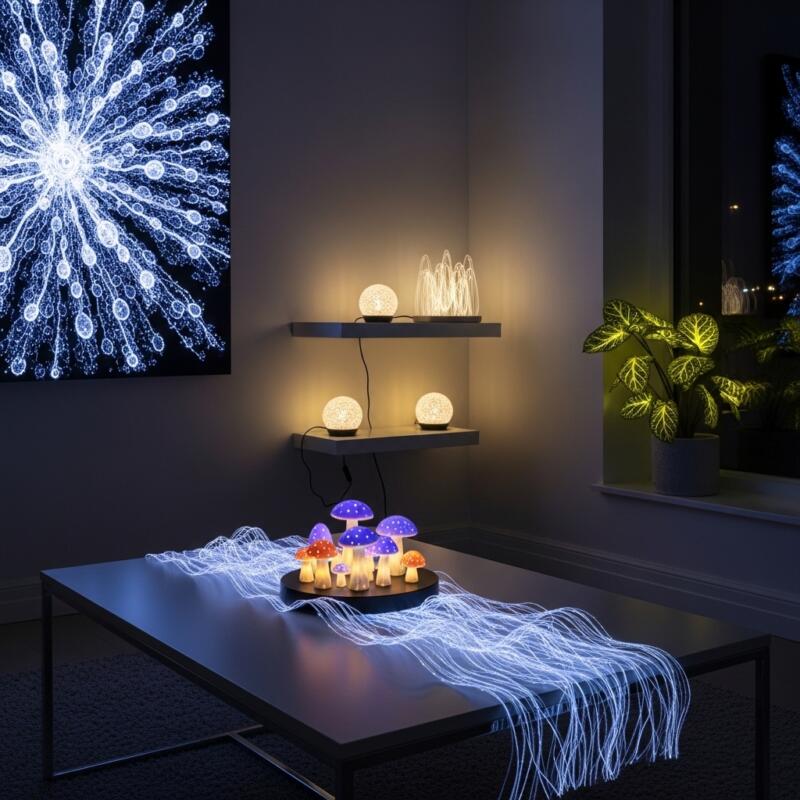 The Viral Phenomenon of Bio-Luminescent Decor
Industrial Chic with a Soft Edge
The "Soft Industrial" trend has become a favorite for urban dwellers. It takes the raw, honest materials of industrial design—such as exposed brick, blackened steel, and concrete—and balances them with plush fabrics and organic shapes. By introducing a bouclé armchair or silk drapery into a room with metal accents, you create a sophisticated tension between the hard and the soft. This style is ideal for creating a modern loft feel that still feels warm and inviting for social gatherings.
The Psychology of Color Palettes
Color is a fundamental tool in psychological design. It has the power to alter our perception of space and influence our mood and productivity. When choosing a palette, it is essential to consider the function of the room and the amount of natural light it receives throughout the day.
| Room Type | Mood Goal | Recommended Colors |
| Primary Bedroom | Serenity & Rest | Dusty Blue, Soft Mauve, Pewter |
| Home Office | Focus & Creativity | Terracotta, Sage Green, Deep Teal |
| Living Area | Warmth & Connection | Champagne, Golden Ochre, Warm White |
| Kitchen | Energy & Cleanliness | Slate Grey, Mint, Creamy Vanilla |
Beyond the primary wall color, the use of accent pigments is crucial for adding depth. Incorporating jewel tones like emerald or sapphire through accessories can provide a sense of luxury, while earthy tones help ground a space and connect it to the natural world. The interaction between cool and warm tones is what gives a room its professional, "designer" finish.
Furniture Selection and Spatial Layout
Selecting the right furniture is an investment in your daily comfort. Modern furniture design for women often prioritizes ergonomics without sacrificing elegance. Curved silhouettes are particularly dominant in 2026, as biomorphic shapes are known to promote relaxation and a better sense of flow within a room.
Statement Pieces and Longevity
Every room needs an anchor. A statement piece, such as a hand-tufted sofa or a custom-built bookshelf, provides a focal point and dictates the scale of other items. When choosing furniture, focus on longevity. Materials like solid oak, top-grain leather, and natural stone develop a beautiful patina over time and are far more sustainable than temporary "fast-furniture" options. Investing in a high-quality mattress and bed frame is perhaps the most important decision for long-term health and well-being.
Creating Functional Zones
As the boundaries between work and home continue to blur, the ability to create functional zones is vital. Even in small apartments, you can define areas for different activities using zonal lighting and area rugs. For example, a plush rug can define a meditation corner, while a sleek console table can serve as a transition between the entryway and the living room. For women who entertain, a modular seating arrangement offers the flexibility to host large groups or enjoy a quiet evening alone.
The Importance of Textiles and Textures
Textiles are the layers that provide a home with its "soul." They soften the hard edges of architecture and provide the tactile comfort that is essential for a feminine sanctuary. The mix of textures is what makes a room feel expensive and thoughtfully designed.
-
Natural Linens: Perfect for window treatments and bedding, linen provides a relaxed, breathable quality that improves with every wash.
-
Velvet Accents: Adding velvet cushions or a small ottoman introduces a touch of glamour and a rich depth of color.
-
Woven Rugs: Using wool or jute rugs adds an organic layer to the floor, providing both sound insulation and physical warmth.
-
Layered Throws: A mix of cashmere and chunky knits can transform a simple chair into a cozy nook, encouraging moments of stillness.
By varying the visual weight of these textiles—pairing heavy weaves with light silks—you create a dynamic environment that engages the senses.
Lighting Strategies for Ambiance and Function
Lighting is the most effective way to change the "vibe" of a room instantly. A common mistake in interior decorating is relying solely on overhead lights. To achieve a professional look, you must implement layered lighting that addresses different needs.
Ambient, Task, and Accent Lighting
Ambient lighting serves as the base layer, usually provided by a stylish pendant light or recessed ceiling lights. Task lighting is more functional, such as a high-quality LED desk lamp for work or adjustable sconces for bedside reading. Finally, accent lighting is used to highlight architectural details or fine art. Using dimmer switches is non-negotiable for a woman’s home, as they allow you to transition the atmosphere from a bright, productive morning to a soft, romantic evening.
The color temperature of your bulbs also matters. For living spaces, warm white bulbs (around 2700K) create a welcoming glow, while cool white (4000K) is better suited for kitchens and laundry rooms where visual clarity is paramount.
Personalization Through Art and Greenery
A house becomes a home when it reflects the owner's personal tastes and values. Art curation and indoor gardening are the final steps in the decorating process that provide a space with its unique character.
Curated Gallery Walls
A gallery wall does not have to be a perfect grid. In fact, an asymmetrical arrangement of different frame styles can feel much more personal. Mixing original oil paintings with personal photography and even framed textiles creates a rich visual tapestry. The key is to maintain a consistent spacing between frames to ensure the collection feels intentional rather than cluttered. Art is a powerful way to inject feminine energy into a room, whether through soft abstracts or bold, empowering portraits.
The Power of Indoor Plants
Biophilic design is a major trend for 2026, and for good reason. Integrating houseplants into your decor improves air quality and reduces stress. Large plants like the Bird of Paradise or a Rubber Tree can act as living sculptures, filling empty corners with vibrant life. For those with less space, a collection of succulents or potted herbs in the kitchen adds a fresh, organic element. The use of terracotta pots or ceramic planters provides an additional opportunity to introduce texture and color.
Sustainability and Ethical Decorating
Today’s woman is more conscious than ever of the environmental impact of her choices. Sustainable decorating involves choosing products that are ethically sourced and built to last. This includes looking for FSC-certified wood, organic cottons, and low-VOC paints that contribute to a healthier indoor environment.
Purchasing from local artisans or seeking out vintage furniture at antique markets not only reduces the carbon footprint associated with shipping but also ensures that your home contains pieces that are truly one-of-a-kind. This move toward a circular economy in design means valuing quality over convenience and recognizing that a beautiful home should not come at the expense of the planet. By choosing eco-friendly materials, you are creating a space that is as kind to the earth as it is to its inhabitants.
Leave a Reply