
The Viral Phenomenon of Bio-Luminescent Decor

The most explosive trend currently dominating social media feeds and high-end interior design magazines is the transition from electricity-dependent lighting to bio-luminescent home ecology. In 2026, the viral hashtag #GlowGarden has surpassed millions of posts, showcasing homes that have replaced traditional LED fixtures with living light sources. This isn't just a niche aesthetic for science enthusiasts; it has become a mainstream lifestyle statement for women who want to merge cutting-edge biotechnology with high-fashion home aesthetics. The appeal lies in the ethereal, pulsating glow that these organisms emit, creating a sensory experience that no artificial bulb can replicate.
As we move toward more sustainable living, the idea of a "living house" has shifted from a conceptual dream to a functional reality. Interior designers are now collaborating with synthetic biologists to integrate light-emitting fungi and algae into the very fabric of the home. This trend represents a broader shift toward neuro-aesthetic design, where the environment is engineered to interact with the human nervous system to reduce stress and improve circadian health. The viral nature of this movement stems from its visual "wow factor" and the profound sense of ecological connection it provides to the urban dweller.
The Science and Soul of Living Light
To understand why this has gone viral, one must look at the technology behind the glow. Unlike traditional lights that rely on a filament or a semiconductor, bio-luminescence is a chemical reaction that occurs within a living organism. In 2026, these reactions have been optimized for home use, ensuring that the light is consistent, safe, and completely carbon-neutral.
Mycelium Lamps and Fungal Sculptures
The breakout star of this movement is bio-luminescent mycelium. Designers are using the root structure of mushrooms to "grow" lamp shades and wall installations that emit a soft, neon-green or pale blue light. These pieces are biodegradable and can be composted at the end of their life cycle, making them the ultimate choice for the eco-conscious decorator. The viral appeal often centers on the "unboxing" of these kits, where users record the 14-day growth process as their furniture literally comes to life in their living rooms.
Algae Photobioreactors as Wall Art
Another viral sensation is the algae wall. These are sleek, glass-encased panels filled with dinoflagellates—microscopic organisms that glow when agitated. In 2026, these panels are integrated with home smart systems; when you walk past them, the movement triggers a wave of electric blue light. These installations do more than just provide illumination; they act as powerful air purifiers, scrubbing CO2 from the room and releasing fresh oxygen, making them a staple in modern wellness-focused interiors.
see also: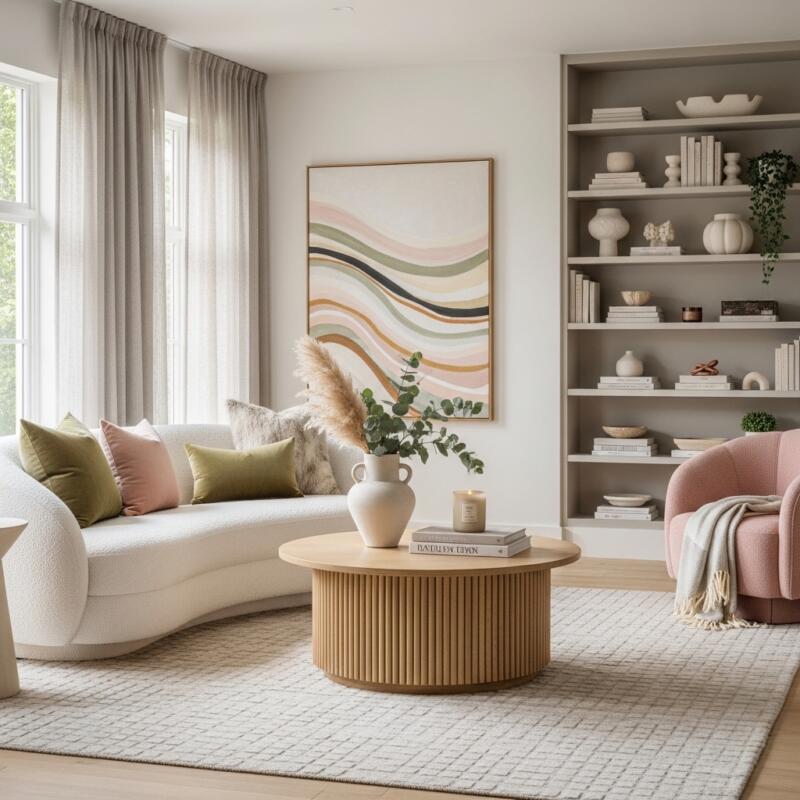 Modern Feminine Interior Design: A Comprehensive Guide to Creating Your Sanctuary
Integrating Bio-Luminescence into Modern Aesthetics
Incorporating living light into a home requires a different approach than traditional decorating. It is about creating a balanced ecosystem rather than just placing a lamp on a table. The most successful viral homes use these elements to highlight architectural features or to create "meditation zones" where the soft, organic light encourages deep relaxation.
| Feature | Traditional LED Lighting | Bio-Luminescent Organisms |
| Energy Source | Electric Grid / Battery | Natural Nutrients / Light |
| Carbon Footprint | Moderate to High | Carbon-Negative |
| Light Quality | Static & Artificial | Dynamic & Organic |
| Maintenance | Bulb Replacement | Hydration & Nutrient Feeding |
| Psychological Impact | Can Disrupt Sleep | Promotes Relaxation |
The switch to living light also changes the color theory of a room. Designers are moving away from harsh yellows and toward cool-toned palettes that complement the natural greens and blues of bio-luminescence. Using reflective surfaces like polished chrome or mirrored glass amplifies the soft glow, making a single fungal installation feel like a much larger light source.
The Maintenance of a Living Interior
The viral popularity of this trend has led to the rise of a new hobby: interior ecology. Caring for your light sources is now seen as a form of mindful ritual, similar to the "plant parent" movement of the early 2020s. To keep these organisms glowing, women are learning the basics of biotech maintenance, which has become a significant part of the lifestyle content shared online.
Feeding and Hydration Protocols
Living lights require a specific nutrient solution to maintain their luminosity. In 2026, this has been simplified through subscription services that deliver pre-mixed "glow food" directly to your door. This has created a secondary viral trend of "feeding videos," where users show the immediate brightening of their bio-algae after a fresh dose of nutrients. It adds a layer of interactivity to home decor that was previously non-existent.
Temperature and Light Regulation
Because these are living beings, they are sensitive to their environment. Smart home integration allows for the automatic adjustment of room temperature and humidity to ensure the health of the bio-luminescent colonies. For women who travel, there are now "plant sitters" who specialize in microbial care, ensuring that your home doesn't go dark while you are away. This level of care has turned home decor into a stewardship rather than just ownership.
For those looking to jump into this trend, certain species have become the "must-haves" of the year. These are chosen for their brightness, ease of care, and visual impact in photography and video.
-
Panellus stipticus (Bitter Oyster Mushroom): Known for its strong, consistent green glow and beautiful fan-like shape.
-
Pyrocystis fusiformis: The primary organism used in glow-globes and algae walls, famous for its brilliant blue flashes.
-
Neonothopanus gardneri: A tropical fungus that produces a vivid "ghost light," often used in terrarium displays.
-
Vibrio fischeri: A bacteria that can be cultured in specialized glass vessels to create a constant ambient glow.
-
Genetically Enhanced Moss: A 2026 breakthrough that allows for glowing green carpets and wall coverings that require zero soil.
These species are being featured in DIY kits that have taken the internet by storm, allowing anyone to become a home bio-designer. The process of culturing these organisms is documented in "timelapse" videos that frequently go viral, showcasing the magical transition from a dark room to a living wonderland.
Ethical Considerations of Bio-Design
As with any viral trend involving biotechnology, there is a significant conversation around the ethics of bio-design. Critics and advocates alike are debating the implications of "engineering" life for the sake of home aesthetics. However, the consensus in 2026 is largely positive, as the benefits of reducing electrical consumption and improving indoor air quality far outweigh the concerns.
The movement has also spurred a new wave of educational content. Women are no longer just consuming decor; they are learning about microbiology and genetic engineering. This has empowered a generation to think of their homes as part of the global ecosystem. By choosing bio-luminescent decor, homeowners are making a loud statement about their commitment to a future where technology and nature are no longer in conflict, but are instead perfectly synchronized.
The Future of the Glowing Home
As we look toward the end of the decade, the viral success of bio-luminescence suggests that our relationship with indoor lighting has changed forever. We are moving toward a world where the "flick of a switch" is replaced by the breath of a garden. The visual language of our homes is becoming more fluid, organic, and responsive.
This trend is also bleeding into the fashion world, with bio-luminescent accessories and jewelry becoming the next big thing on the runway. The home is simply the starting point for a luminescent lifestyle that celebrates life in all its forms. For the modern woman, decorating is no longer about following a catalog; it is about cultivating a vision that is as alive as she is. The glow of a living room in 2026 is not just a light; it is a pulse, a heartbeat, and a viral testament to the power of sustainable innovation.
Leave a Reply