
The Shift Toward Intentional Living: Navigating Women’s Lifestyle Trends in 2026

The landscape of women’s lifestyles in 2026 has moved far beyond the traditional "hustle culture" that dominated the previous decade. Today, the focus has shifted toward intentional living, a philosophy that prioritizes quality of life, mental clarity, and holistic health over the relentless pursuit of "having it all." The modern woman is no longer looking for ways to pack more into her schedule; instead, she is seeking ways to subtract the unnecessary to make room for what truly matters. This cultural pivot is driven by a deep desire for authenticity and a recognition that personal well-being is the foundation upon which all professional and social success is built.
In this new era, technology is used as a tool for liberation rather than a source of constant distraction. From AI-driven wellness apps to smart home systems that manage domestic labor, women are leveraging innovation to reclaim their time. The goal is to create a lifestyle that feels sustainable and nourishing, allowing for a balance between high-level professional contributions and a rich, private life. This transition is not just a trend but a fundamental restructuring of how women navigate their daily existence in a rapidly changing world.
Redefining Wellness through Technology and Biology
The approach to health in 2026 is hyper-personalized, moving away from "one size fits all" fitness and diet plans. Women are increasingly turning to bio-hacking and nutrigenomics to understand their unique biological makeup. By using wearable technology that tracks everything from glucose levels to recovery rates, women can make informed decisions about their nutrition and physical activity.
The Rise of Cycle Syncing
One of the most significant shifts in women’s health is the widespread adoption of cycle syncing. This practice involves adjusting your diet, exercise, and even your work schedule to align with the different phases of the menstrual cycle. During the follicular phase, women might focus on high-energy cardio and networking, while the luteal phase is reserved for strength training and internal administrative tasks. This biological alignment helps in reducing hormonal imbalances and preventing the burnout that often comes from pushing against the body’s natural rhythms.
Bio-hacking for Longevity
Wellness is no longer just about looking good; it is about longevity and functional health. Women are investing in infrared saunas, cold plunge therapy, and personalized supplementation to optimize their cellular health. The integration of mental health diagnostics into regular wellness routines has also become standard. Understanding the connection between the gut-brain axis allows women to use diet as a primary tool for managing anxiety and improving cognitive function.
see also: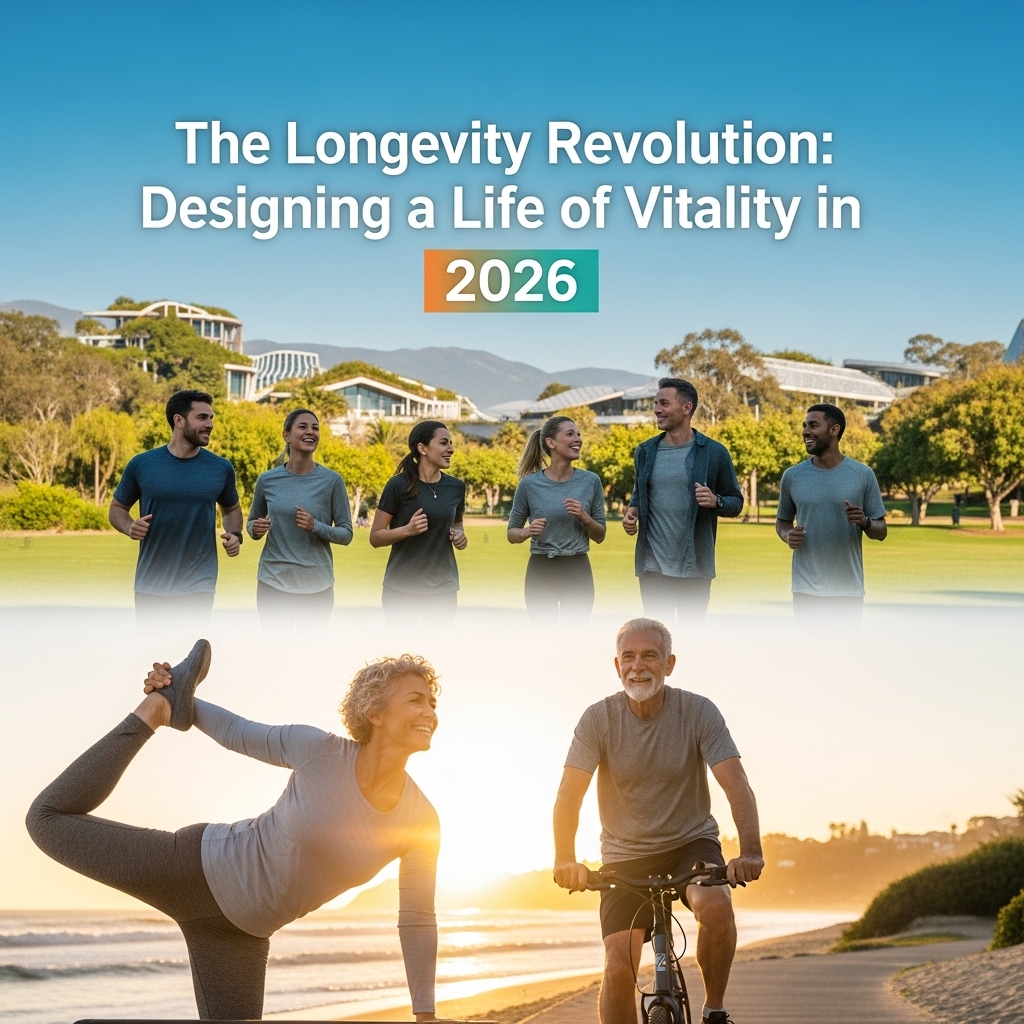 The Longevity Revolution: Designing a Life of Vitality in 2026
Career Fluidity and the New Professional Identity
The workplace for women in 2026 is defined by flexibility and autonomy. The traditional nine-to-five model has largely been replaced by output-based performance, allowing women to structure their work around their lives rather than the other way around. This has led to the rise of the fluid career, where women may hold multiple roles—perhaps a part-time corporate position combined with a creative side hustle or a freelance consultancy.
The Hybrid Work Revolution
Remote work has evolved into a sophisticated hybrid model that emphasizes collaboration during in-person sessions and deep work during solo hours. Women are utilizing virtual reality for immersive meetings, reducing the need for exhausting business travel. This shift has also empowered more women to move to rural or coastal areas, seeking a higher quality of life without sacrificing their professional growth. The "office" is now wherever a woman feels most productive and inspired.
Financial Empowerment and Micro-investing
Financial literacy is a cornerstone of the 2026 lifestyle. There is a massive movement toward financial independence, with women taking an active role in wealth management. Through micro-investing platforms and cryptocurrency education, women are diversifying their portfolios and building generational wealth. The focus is on passive income streams that provide the security to take risks and pursue non-traditional career paths. Financial self-care is now viewed as just as important as physical or mental health.
Conscious Consumption as a Lifestyle Choice
The way women consume products has undergone a radical transformation. In 2026, sustainability is a baseline requirement rather than a luxury feature. Women are moving away from the dopamine hit of "haul" culture and toward a minimalist wardrobe built on circular fashion principles.
-
Rental Revolution: For special occasions and even high-end daily wear, clothing rental services have become the norm, reducing waste and clutter.
-
Traceability: Consumers now demand full transparency regarding the supply chain, choosing brands that prioritize fair trade and low carbon footprints.
-
Quality Over Quantity: The "buy once, buy well" mentality has led to a resurgence in handcrafted goods and heritage brands that offer lifetime warranties.
-
Zero-Waste Living: Daily routines now incorporate refillable beauty products and plastic-free packaging, making eco-consciousness a seamless part of the day.
This shift in consumption is driven by the realization that our purchasing power is a vote for the kind of world we want to inhabit. By supporting women-led businesses and ethical manufacturers, women are using their economic influence to drive global change.
Mental Health in a Hyper-Connected World
As technology becomes more integrated into our lives, the importance of digital minimalism has grown. Women in 2026 are increasingly aware of the impact of blue light and social media algorithms on their mental state. The practice of "monk mode"—periods of intense focus and disconnection from the internet—is a popular strategy for maintaining mental clarity.
The Importance of Community and Social Wellness
While digital connection is easy, social wellness focuses on the quality of in-person interactions. Women’s circles, co-working communities, and interest-based clubs are thriving as women seek deeper, more meaningful connections. The "loneliness epidemic" of the early 20s has been met with a surge in communal living and shared childcare arrangements, proving that the "village" is still essential for the modern woman’s success.
Mindfulness and the Art of Slow Living
The slow living movement encourages women to find joy in the mundane. Whether it is a slow morning routine without screens, gardening, or the ritual of preparing a whole-food meal, these moments of mindfulness act as an anchor in a fast-paced world. By slowing down, women are able to observe their emotional landscape and respond to stress with resilience and grace. The goal is to move through life with intention, ensuring that every action is aligned with one's core values.
The Evolution of the Domestic Sphere
Domestic life in 2026 is characterized by a more equitable distribution of labor. The "mental load" that previously fell almost exclusively on women is being addressed through open communication and technological assistance. Smart kitchens can now inventory groceries and suggest recipes based on nutritional needs, while automated cleaning robots handle the repetitive tasks of home maintenance. This allows women to reclaim their evenings for self-improvement or relaxation, rather than being consumed by household chores.
Furthermore, the concept of the "home" has expanded to include spaces specifically designed for creativity and spirituality. Dedicated meditation nooks and home studios are standard features in the modern woman’s residence, reflecting a lifestyle that honors the need for solitude and self-expression. The domestic environment is no longer just a place of service, but a sanctuary for personal growth.
Leave a Reply